
khensane maluleke, COIL. Mixed media. Woxsen university, USA, 2026.
Project Statement
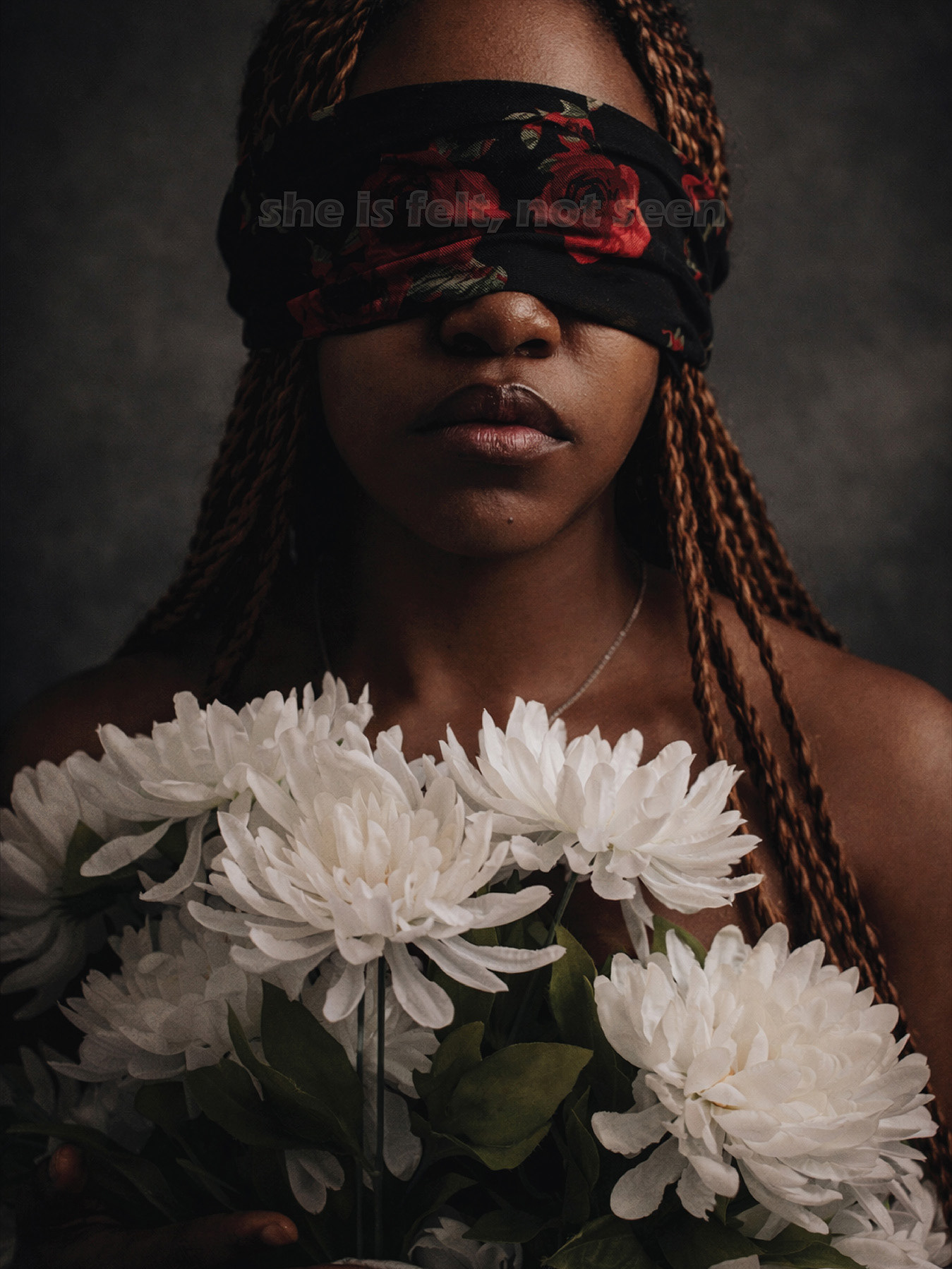
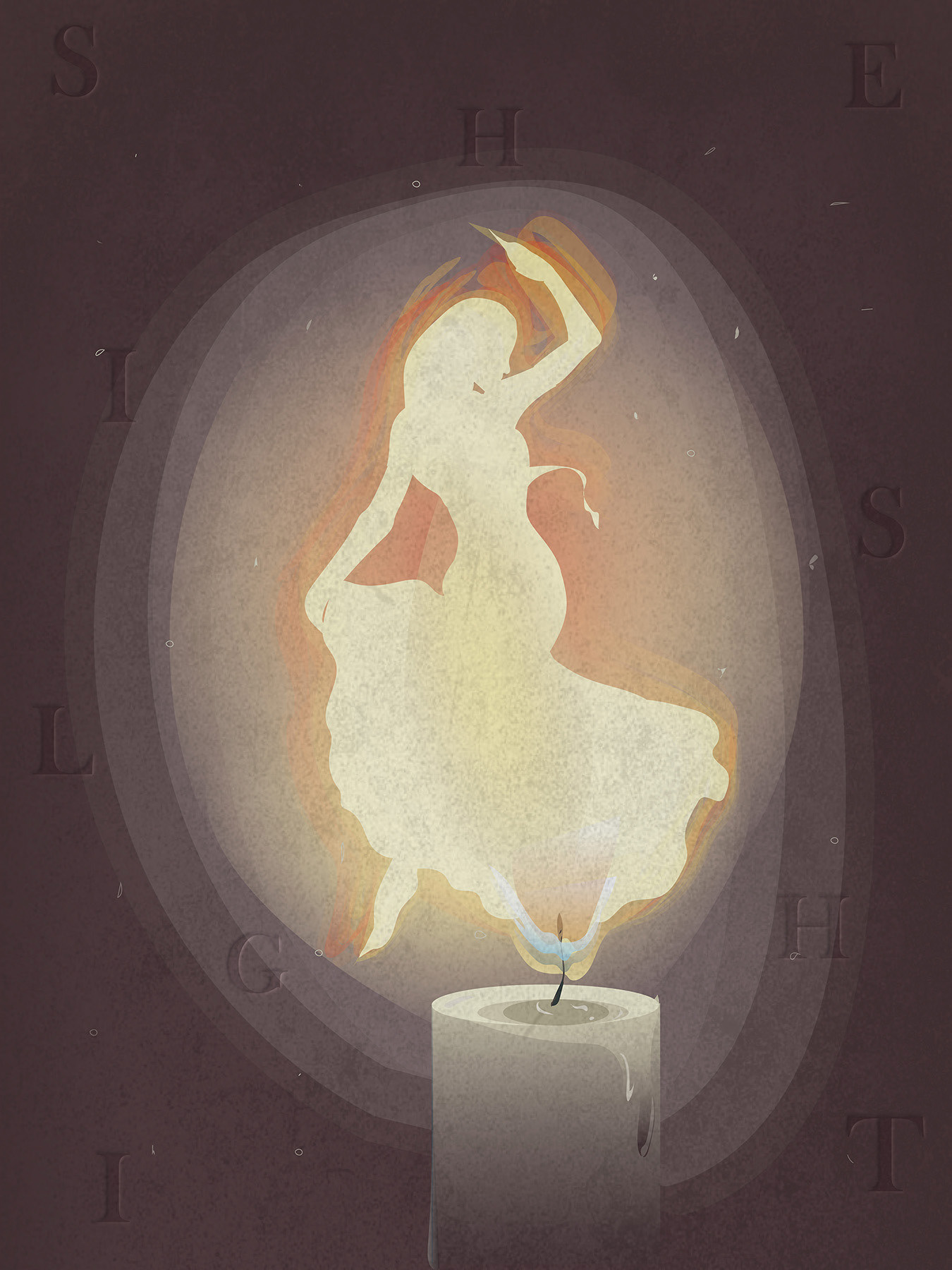
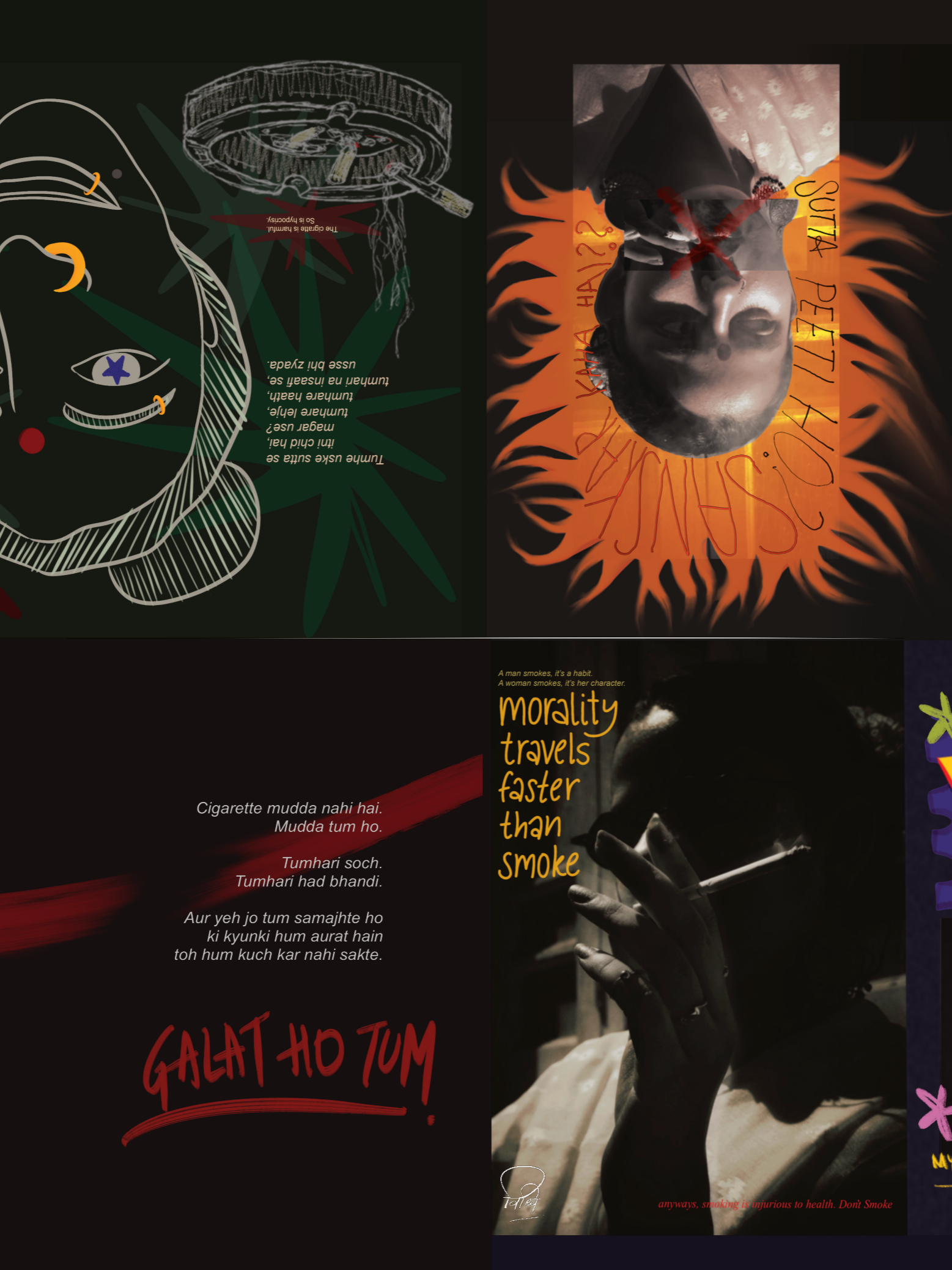
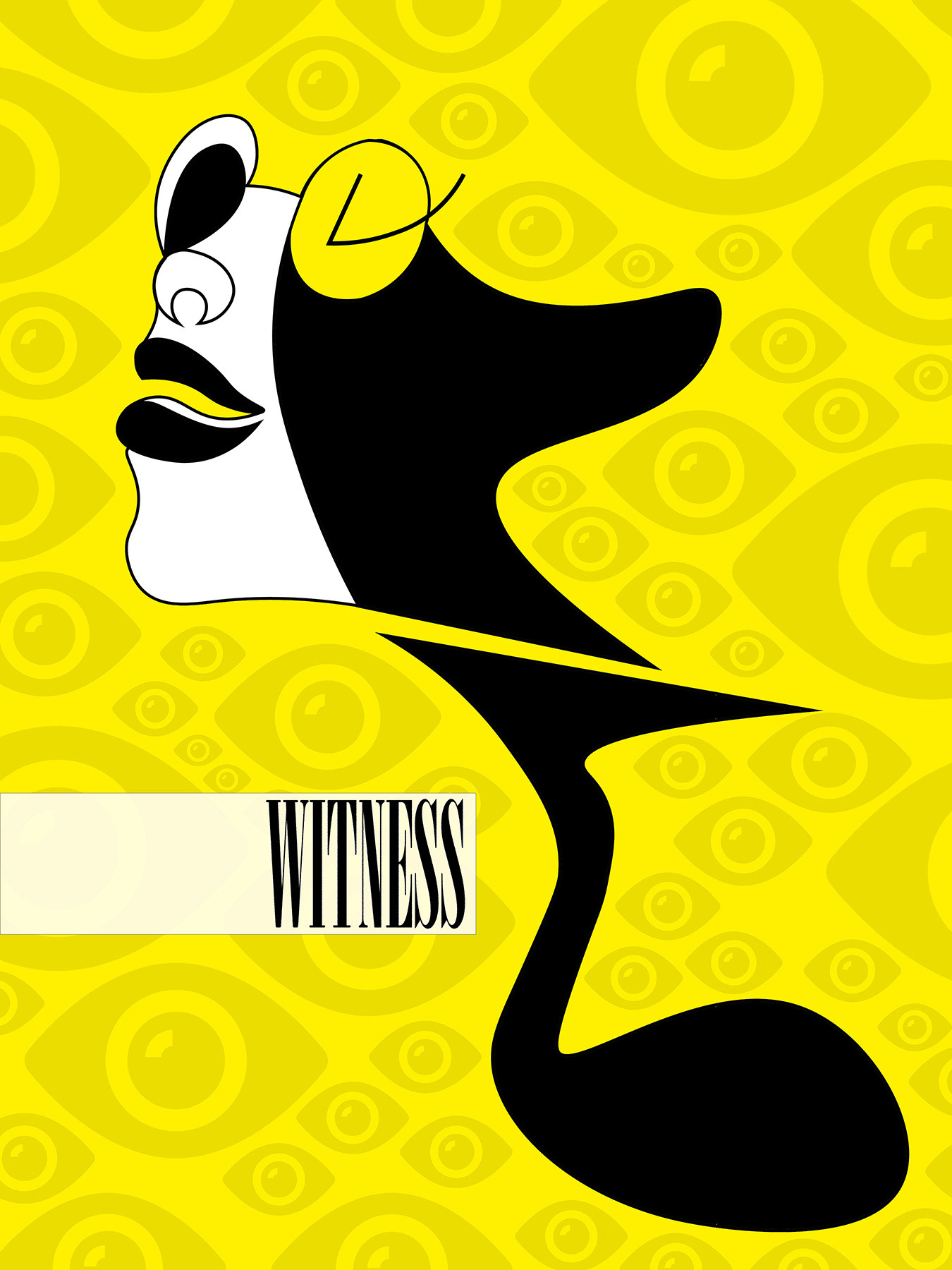
The depiction of women in film has been heavily influenced by the "male gaze," a term introduced by film theorist Laura Mulvey in 1975 to explain how visual media portrays women as passive subjects of heterosexual male attraction. For many years, female figures have been depicted using camera techniques, lighting choices, and storytelling frameworks that emphasize the audience's voyeuristic enjoyment rather than the character's autonomy. Margot Robbie's filmography exemplifies a distinctive case study in this persistent tension, as her career follows a trajectory from being shaped by the male gaze to deliberately creating alternatives via her production company, LuckyChap Entertainment.
Robbie rose to fame in Hollywood with The Wolf of Wall Street (2013), in which her role as Naomi Lapaglia was showcased through extended close-ups, revealing outfits, and a storyline that framed her as an object of desire for both the main character and the camera. Likewise, her initial appearance as Harley Quinn in Suicide Squad (2016) received considerable backlash for representing the character through a hyper-sexualized perspective, with cinematography that focused more on her physique than her acting. These initial roles illustrate the male gaze disjointed, voyeuristic, and centered on the female body as an object of spectacle instead of the female character as a subject.
Self - Reflection
Collaborating in Group 10 with peers from Florida International University provided a meaningful experience that highlighted the difficulties and benefits of working across cultures. The biggest challenge we encountered was dealing with the time zone variation. Being awake and accessible at varying times meant we were unable to engage in real-time conversations or make swift decisions collectively. What could have been a quick five-minute chat face-to-face frequently extended into a day-long series of messages while we waited for teammates in various time zones to wake up and reply.
Collaborating in Group 10 with peers from Florida International University provided a meaningful experience that highlighted the difficulties and benefits of working across cultures. The biggest challenge we encountered was dealing with the time zone variation. Being awake and accessible at varying times meant we were unable to engage in real-time conversations or make swift decisions collectively. What could have been a quick five-minute chat face-to-face frequently extended into a day-long series of messages while we waited for teammates in various time zones to wake up and reply.
Despite this logistical hurdle, the partnership ultimately thrived due to a crucial element: we reached consensus on the majority of matters from the beginning. Our mutual grasp of the project objectives and our unified viewpoints on the content led to infrequent extended discussions or disagreements. When we needed to talk about something, our discussions were effective since we were aligned on the path we aimed to pursue. This shared understanding made it easier to handle the asynchronous nature of our communication than it could have been otherwise.
I discovered that successful teamwork doesn’t always necessitate all individuals working simultaneously. Patience proved crucial, awaiting replies, believing that coworkers would aid as they were able, and recognizing that advancement would occur in bursts rather than steadily. I discovered that clarity in written communication is crucial when real-time clarification isn't feasible. Each message had to be accurate and thorough since there was no chance for instant follow-up inquiries.
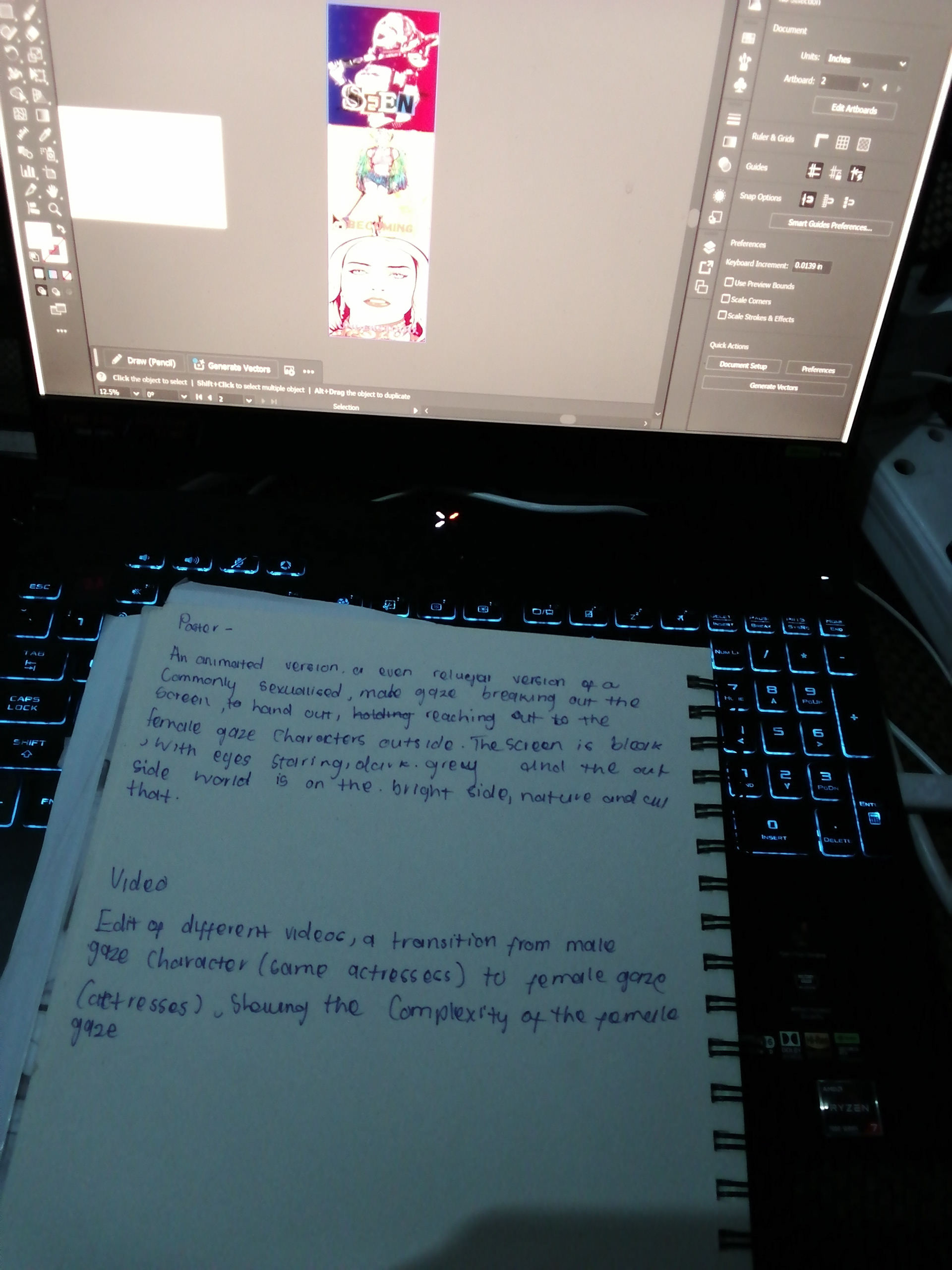
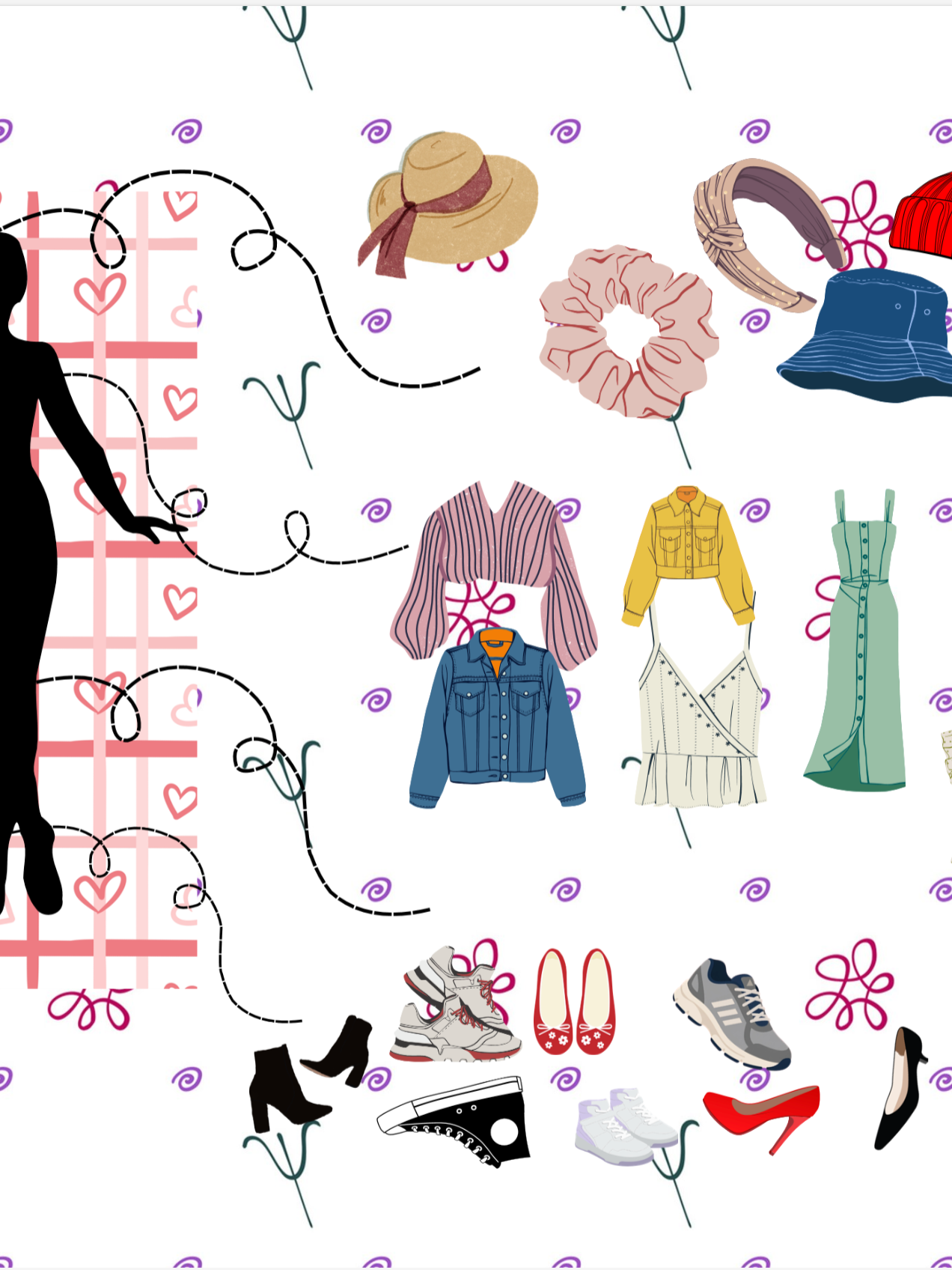
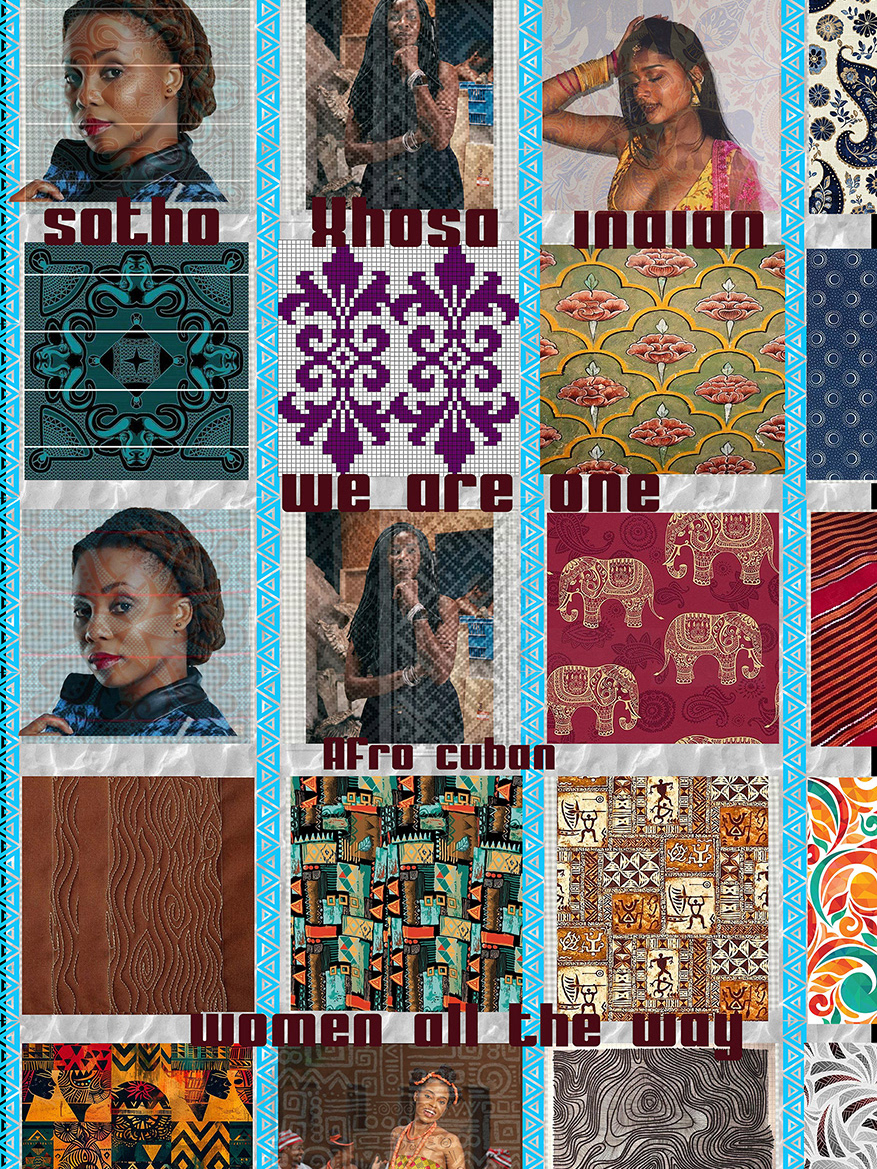
Image of the process. Courtesy of the designer Khensane Maluleke. USA, 2026